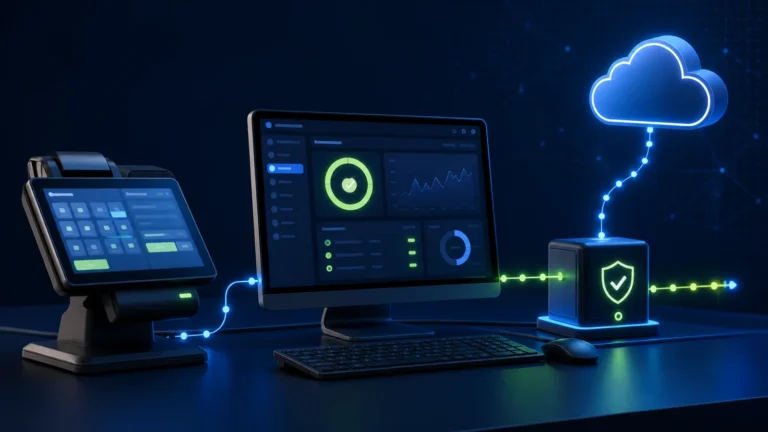

Useful hospital and clinic management software should connect the patient journey from registration to payment. The right system is not necessarily the one with the most modules; it is the one your staff can use consistently without creating duplicate records or hidden manual work.
A small clinic may only need patient registration, appointments or tokens, consultation notes and billing. A diagnostic centre may add laboratory or radiology workflows. A hospital may also need admission, beds, nursing, pharmacy, inventory, departments and deeper access controls. Buy the scope your staff can operate reliably, then expand in phases.
Start with the patient journey, not the feature list
Many software demonstrations begin with a long menu. That can look impressive, but it does not tell a clinic owner whether the system will solve the daily problems at reception, in the doctor’s room, at the laboratory counter or in accounts.
Before comparing software, write down the actual patient journey. A walk-in patient may be registered, assigned a token, seen by a doctor, sent for a test, given a prescription, billed and asked to return after a few days. A hospital may add admission, bed allocation, nursing notes, procedures, pharmacy issues and discharge.
The system should follow these steps in the same order your team works. When staff have to leave the software, maintain an extra register or re-enter the same information, the workflow is not truly connected.
Patient registration should create one dependable record
Duplicate patient files are one of the most common causes of confusion. A name may be written differently, a phone number may change or a patient may forget an old registration number.
A good registration process uses sensible search fields and controlled duplicate checks. It should record only the information the facility genuinely needs, such as:
- Patient name, age or date of birth
- Phone number and basic contact details
- Gender and relevant identity information
- Emergency contact where appropriate
- Corporate panel or referral information
- Previous visit history
The objective is not to collect the maximum amount of data. It is to create a reliable record that authorized staff can find quickly.
Appointments, tokens and doctor schedules must work together
Appointment booking and walk-in token management are related but different. A clinic may need both. Reception should be able to see the doctor’s schedule, available time, waiting patients, cancellations and follow-up visits without maintaining a second diary.
Useful controls include preventing double booking, showing the expected waiting queue and recording whether a patient arrived, was seen, cancelled or did not attend. Reminder messages can help, but they should support the process rather than replace accurate scheduling.
Consultation records should be practical for doctors
Doctors usually reject systems that slow down consultation. The clinical screen should therefore be focused, readable and suitable for the specialty.
Depending on the facility, a consultation record may include complaints, history, examination, diagnosis, medicines, advice, follow-up date and attached reports. Templates can save time, but they should not force every doctor into the same rigid note.
Access must be role-based. Reception may need to see appointment status and billing, while clinical notes should remain limited to authorized healthcare staff.
Laboratory and radiology orders should not be retyped
When a doctor orders a test, the laboratory should receive the same request. Retyping patient details and test names creates delay and increases the chance of mistakes.
A connected workflow can move an order from consultation to billing, sample collection, result entry, review and delivery. Management should also be able to see pending tests, completed tests, cancelled orders and outstanding payments.
For diagnostic centres, the system may need specimen labels, reference ranges, report templates, consultant verification and controlled report release.
Pharmacy stock should connect with prescriptions and purchases
Pharmacy software inside a hospital or clinic should do more than print a receipt. It should track purchases, batches, expiry dates, stock issues, returns and adjustments.
When a medicine is dispensed against a prescription, stock should reduce from the correct item and batch. Low-stock and near-expiry reports help the team act before a medicine is unavailable or wasted.
Permissions are important here. A cashier, pharmacist, storekeeper and administrator do not need the same access.
Billing should reflect the actual service provided
Healthcare billing can involve consultations, procedures, tests, medicines, packages, discounts, deposits, partial payments and corporate panels. The invoice should show a clear breakdown rather than one unexplained total.
The system should also handle cancellations and refunds through authorized entries. Editing or deleting a completed invoice without a trace creates serious reporting problems.
Where doctor shares, referral commissions or department revenue are used, the rules should be documented and tested before reports are trusted.
Inventory is wider than the pharmacy
Hospitals and clinics also use consumables, laboratory items, dental materials, surgical supplies, stationery and cleaning stock. These items may be purchased centrally and issued to departments.
A connected inventory process can record purchase requests, approvals, goods received, supplier bills, department issues, transfers, damaged stock and current balances. This gives management a better picture of consumption and cost.
Management reports should answer operational questions
A dashboard is useful only when its numbers come from disciplined transactions. Owners and administrators may need to know:
- Patients and revenue by day, doctor or department
- Pending laboratory or radiology work
- Outstanding panel and patient balances
- Pharmacy sales, purchases and stock value
- High-use and near-expiry items
- Discounts, refunds and cancelled invoices
- Cashier closing and payment-method totals
Every report total should be traceable to the underlying entries. A beautiful chart cannot compensate for incomplete source records.
Security and accountability must be designed from the beginning
Healthcare information is sensitive. The system should use individual user accounts, role-based permissions, secure backups, activity logs and controlled exports. Shared passwords make it difficult to identify who changed a record.
The facility should also decide who can view, edit, print or delete different types of information. These rules should match the organization’s responsibilities and applicable professional or legal requirements.
Clinic, diagnostic centre or hospital: what software scope do you need?
| Facility | Good starting scope | Add when needed |
|---|---|---|
| Small clinic | Patient registration, appointments/tokens, doctor schedule, consultation, billing | Inventory, reminders, CRM or online booking |
| Diagnostic centre | Registration, test orders, billing, sample/result workflow, report release | Inventory, referral tracking, branches and integrations |
| Hospital | Registration, OPD, billing, departments, pharmacy and role controls | Admission, beds, nursing, procedures, laboratory, inventory and broader reporting |
For implementation planning, review the Hospital & Clinic Software service or book a workflow consultation.
Choose a realistic implementation plan
Trying to activate every module on the first day can overwhelm staff. A safer rollout often begins with registration, appointments, consultation and billing, followed by laboratory, pharmacy, inventory or other modules.
Before launch, prepare service lists, doctor schedules, users, opening stock, price rules, report formats and data-migration decisions. Test real examples with reception, doctors, accounts and management—not only with the software vendor.
Questions to ask before buying healthcare software
- Can the system follow our actual patient journey?
- How does it prevent duplicate patients and invoices?
- Can access be controlled by role and department?
- Are lab, pharmacy, billing and inventory genuinely connected?
- Can reports be traced back to transactions?
- What happens during internet or power interruption?
- How are backups, updates, training and support handled?
- Can the system expand when we add doctors, branches or services?
The answers should be demonstrated with your own workflow. A generic slideshow is not enough.
Verified NexZion healthcare implementation context
NexZion's Verified Work includes Tanveer Hospital for hospital reception, patient/appointment and receipt workflows. This demonstrates real healthcare workflow implementation experience; it is not presented as a claim that Tanveer Hospital uses every hospital-management module described in this broader guide.
Planning software for a clinic, hospital or diagnostic centre?
NexZion Solutions can review your current workflow and help you plan a practical system for patient registration, appointments, billing, pharmacy, inventory and reporting.
Explore hospital and clinic software or book a software consultation.
NexZion Solutions publishes practical guides based on business-software, compliance-workflow, website and automation implementation experience in Pakistan.