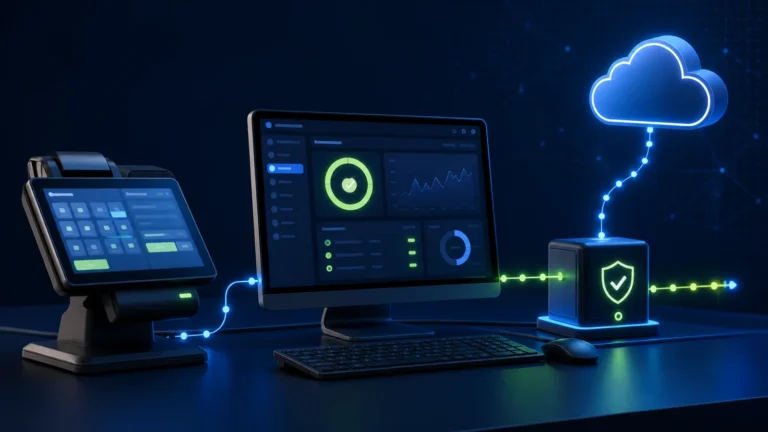

Automate acknowledgement, intent classification, approved FAQs, information collection, ticket creation, routing, reminders and summaries. Use human handover for complaints, uncertainty, sensitive data, refunds, negotiation, medical or legal matters and any situation where the system cannot verify the answer.
Why businesses automate customer support
Customers often ask the same questions through WhatsApp, website chat, forms, email and social media. Staff spend time repeating service details, collecting account information and forwarding messages to other departments.
Automation can reduce this repeated handling while helping the team maintain one record of the customer’s issue and next action.
What AI customer support should achieve
A useful project should improve one or more measurable outcomes:
- Faster acknowledgement
- Fewer unanswered enquiries
- Better case routing
- Less repeated questioning
- Clearer ownership
- Shorter resolution time
- More consistent approved information
- Better visibility of overdue cases
The objective should be written before selecting a chatbot or support tool.
1. Automate acknowledgement
The first response can identify the business, confirm that the message was received and explain the next step. It should not claim that the issue is resolved or that a person has reviewed it when that has not happened.
2. Classify the customer’s purpose
AI can help recognize whether a message concerns sales, technical support, payment, order status, appointment, return, complaint or another defined category.
When the message remains unclear, the system should ask one simple clarification or send it to a person instead of guessing.
3. Collect only necessary details
The information required depends on the case. A software support request may need customer name, product, issue, screenshot and urgency. An order-status request may need an order number and suitable verification.
Do not collect unnecessary personal data merely because the form has more fields.
4. Answer approved routine questions
A controlled knowledge source can provide service descriptions, branch locations, timings, onboarding steps, payment methods or other maintained information.
Answers should come from approved content, not from unrestricted guessing. Each knowledge item needs an owner and review date.
5. Create a ticket or CRM record
The conversation should create or update a structured record with customer details, category, assigned team, priority, status and next action.
WhatsApp or chat history alone is not a dependable company support register.
6. Route the case
Routing rules may use product, branch, customer type, issue category and urgency. The employee receiving the case should see the information already collected and a concise summary.
7. Prepare conversation summaries
AI can summarize the customer’s request, previous actions, unresolved questions and promised next step. Staff should be able to correct the summary before relying on it.
8. Create reminders and escalation
Open cases should have a due date. The workflow can remind the assigned employee and escalate when a callback, replacement, approval or technical response remains overdue.
What should always allow human handover?
Customer requests a person
A customer should not be trapped inside an automated conversation.
Complaint or emotional situation
Frustration, repeated failure and reputational risk require empathy, judgment and authority.
Refund, discount or negotiation
Financial commitments should follow business approval limits.
Sensitive information
Account, medical, legal, financial and identity information may require verification and a more secure channel.
Unverified answer
The system should admit uncertainty and escalate rather than inventing a confident response.
Build the knowledge base carefully
Organize approved information by service, product, branch and customer journey. Each answer should have a source, responsible owner and review schedule.
Common knowledge categories include:
- Services and features
- Locations and timings
- Implementation or booking steps
- Documents required
- Support process
- Returns and cancellation policy
- Payment methods
- Escalation contacts
Test difficult questions
Do not test only perfect examples. Include spelling mistakes, mixed Urdu and English, incomplete references, angry customers, duplicate messages, unavailable products and requests outside the approved scope.
Measure performance
Useful indicators include acknowledgement time, assignment time, resolution time, repeated contact, escalation rate, corrected answers, unresolved cases and customer opt-outs.
Automation should be reviewed regularly. A low human-handover rate is not automatically a success if customers are receiving weak answers.
Security and privacy
Limit access to conversations and support records, mask credentials in logs and avoid placing sensitive data in public prompts or documents. Define retention and deletion rules for customer information.
Start with one support category
A good first phase may cover new-user questions, appointment requests or support-ticket intake. Once the workflow performs reliably, the business can add more categories.
NexZion Solutions provides AI customer support automation services and can connect the workflow with WhatsApp automation, CRM or other approved business systems.
Plan a controlled support workflow
Share your customer channels, common questions, departments and escalation problems with NexZion Solutions.
Book an automation consultationNexZion Solutions publishes practical guides based on business-software, compliance-workflow, website and automation implementation experience in Pakistan.