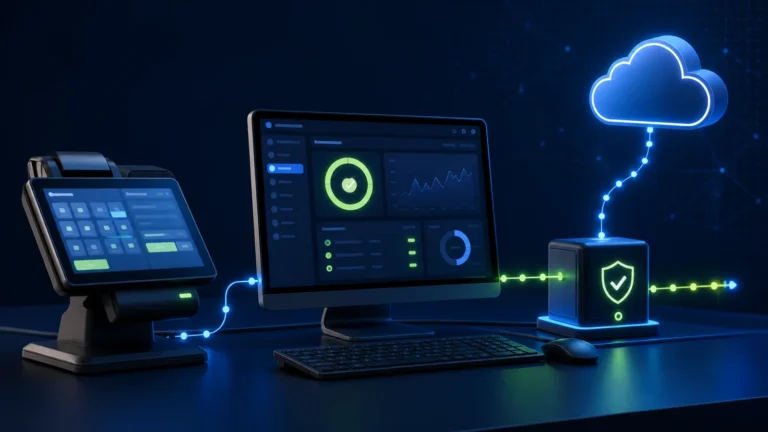

FBR Digital Invoicing software cost in Pakistan normally includes more than a licence. A complete quotation may cover business-process review, software setup, product and buyer data preparation, scenario mapping, API or manual workflow configuration, testing, staff training, reports, hosting, backups and ongoing support.
Compliance note: FBR rules, notifications and technical requirements can change. Confirm the current legal position for your business through official FBR guidance and a qualified tax adviser. This article explains software and implementation costs, not tax advice.
Why two businesses receive different quotations
A small business creating a limited number of invoices from one location has a different implementation from a distributor operating several branches, thousands of products and a credit-sales workflow. Both may require Digital Invoicing, but the work behind the software is not the same.
One company may already have a clean ERP with accurate products, customers and tax information. Another may be using Excel, handwritten invoices or software with duplicate products and incomplete buyer records. The second business needs more preparation before reliable invoicing can begin.
This is why comparing only the advertised subscription price can be misleading. The better comparison is the total cost of becoming operational and remaining supported.
What usually affects the total cost?
1. Software licence or subscription
Providers may charge monthly, annually, as a one-time licence or through a combination of setup and recurring fees. Ask what the plan includes: users, branches, invoice limits, reports, exports, backups, hosting, updates and support.
2. Business-process review
A dependable implementation starts by identifying how sales are created, who approves them, how buyers are classified, how returns are handled and which branches or counters issue invoices.
3. Product and service data
Digital Invoicing depends on accurate descriptions, HS codes or applicable classifications, units, rates, sale types and SRO or schedule information where relevant. Duplicate or incomplete product records increase setup work.
4. Buyer and customer records
Repeated customers should have controlled records for business name, registration type, NTN or CNIC where applicable, province and address. Importing and cleaning several customer files may require additional work.
5. Scenario and tax mapping
Standard-rated sales, reduced rates, exempt supplies, zero-rated transactions, returns and special treatments cannot be configured through one universal template. A practical mapping sheet should connect the business’s common transactions with the required software fields.
6. API integration or manual workflow
An API-connected project can involve secure credentials, payload preparation, reference data, response storage, retry logic and duplicate prevention. A manual workflow may require less development but can create repeated data entry when the sale already exists in another system.
7. Existing POS or ERP modification
Some businesses need their current software updated rather than replaced. The system must support required fields, submission status, controlled correction, audit logs and secure credential storage.
8. Branches, counters and permissions
Multi-location businesses need branch-wise invoice identity, separate user activity and consolidated management reports. Permissions should distinguish cashiers, accountants, managers and administrators.
9. Testing and production launch
Testing should cover registered and unregistered buyers, different product treatments, discounts, rounding, returns, rejected invoices, interrupted responses and duplicate prevention—not only one successful sample.
10. Training and support
Cashiers, accountants and managers need role-specific guidance. Ongoing support may include hosting, backups, security updates, troubleshooting and changes required by future technical updates.
One-time and recurring costs
Possible one-time costs: requirement review, installation, data cleaning, customization, scenario mapping, invoice design, testing and initial training.
Possible recurring costs: subscription, hosting, backups, support, monitoring, updates and charges for additional branches or users.
Hidden costs businesses should check
- Data migration and product cleanup
- Extra branches, users or invoice limits
- Custom reports and receipt changes
- Training for future employees
- Onsite support
- Data export and migration if the provider changes
- Duplicate work when invoicing is not connected with existing software
How to compare quotations properly
- Is the quotation based on our real workflow?
- Which users, branches and invoice types are included?
- Who prepares product and buyer data?
- Which test scenarios are included?
- How are rejected invoices corrected?
- Does the system prevent duplicate submissions?
- What training and support are included?
- Can our data be exported?
- Which future changes are billed separately?
How NexZion Solutions approaches pricing
NexZion Solutions first reviews the business type, current software, invoice workflow, products, buyers, branches and required support. The aim is to quote for a usable implementation instead of advertising a low figure that excludes the work required for a reliable launch.
Share your business type, number of branches, current billing method, approximate product count and whether you already use POS or ERP software.
Frequently asked questions
Can Digital Invoicing be added to existing software?
Often yes, but the current system must be assessed for required fields, security, status handling and update capability.
Do branches and users affect the price?
They can, because additional locations and roles require configuration, permissions, reporting and support.
Should a business choose API integration or manual invoicing?
The decision depends on invoice volume, current software, duplication risk and operational controls.
Next step
Review FBR Digital Invoicing Software, open the Digital Invoicing demo, or contact NexZion Solutions for a business-specific quotation.
NexZion Solutions publishes practical guides based on business-software, compliance-workflow, website and automation implementation experience in Pakistan.