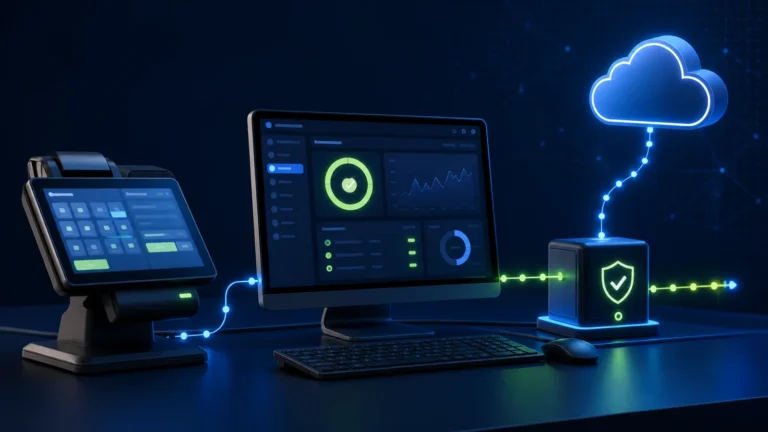

Connect approved data sources, define each metric, set the reporting period, highlight exceptions, show source timestamps and send the report to authorized users. AI should summarize and explain maintained data—not invent missing transactions or replace financial reconciliation.
Why management reporting takes too long
Sales may be in POS, stock in ERP, leads in CRM and operational updates in separate spreadsheets. Managers spend time collecting figures rather than reviewing what needs action.
Automation can consolidate selected data and produce a consistent summary at an agreed time.
Start with management decisions
A report should answer a decision question. Examples include:
- Which branch requires attention today?
- Which leads are overdue?
- Which products are below stock level?
- Which customer balances need follow-up?
- Which support cases remain unresolved?
- Which purchase or expense approvals are pending?
Do not include every available metric merely because the system can calculate it.
Define every figure
Terms such as sales, cash, profit, stock value and conversion can mean different things. Write the exact definition and source for each measure.
For example, daily sales may mean invoices created, net sales after returns or payments received. The report should not switch between definitions.
Daily sales summary
A controlled report may show:
- Gross and net sales
- Returns and cancellations
- Cash, card, bank and credit sales
- Branch and counter performance
- Discounts and manual price overrides
- Top products or categories
- Comparison with target or previous period
Unusual refunds, cancellations and overrides should be highlighted rather than hidden inside totals.
Lead and sales-pipeline summary
Management may need:
- New leads by source
- Leads assigned and unassigned
- Follow-ups due and overdue
- Demos or meetings scheduled
- Proposals sent
- Won and lost outcomes
- Reasons for lost opportunities
Lead reports are only useful when owners and statuses are updated consistently.
Stock and purchasing summary
Useful inventory indicators include:
- Low-stock items
- Out-of-stock products
- Negative or unusual quantities
- Slow-moving and near-expiry stock
- Pending purchase requests
- Purchase orders overdue
- Branch transfers still in transit
- Large stock adjustments
The report should use product-specific units and current location data.
Cash and receivable summary
An owner report may show cash closing differences, customer balances due, overdue invoices, receipts recorded and disputed accounts.
Customer-facing amounts and financial statements still require proper accounting controls and reconciliation.
Task and approval summary
AI can summarize open tasks, delayed approvals and items waiting for management decisions. Each line should include owner, due date and required action.
A report that only states “12 tasks pending” is less useful than one that identifies the important exceptions.
Customer-support summary
Support reporting may include new cases, unresolved cases, response time, repeated contacts, complaint escalation and common issue categories.
Our AI customer support automation service can combine support intake with management visibility.
Use AI for explanation, not source data
AI can convert structured figures into a readable summary, compare periods and highlight patterns. The figures should still come from maintained systems.
If data is missing or delayed, the report should state that clearly rather than filling the gap with an estimate.
Design exception thresholds
Management can define alerts such as:
- Sales below target
- Discount above approved limit
- Stock adjustment above value threshold
- Lead overdue for more than two days
- Support case unresolved beyond target
- Branch cash difference
- Customer balance above credit limit
Thresholds should be reviewed so normal activity does not create constant alerts.
Protect report access
Different users need different visibility. Branch managers may see their branch, while owners see consolidated information. Employee, customer and financial data should follow role-based access.
Show data freshness
Every automated report should state the reporting period and latest data timestamp. A report generated at 8 AM may not include transactions entered later.
Test against source reports
Before launch, compare each total with the original POS, ERP, CRM or accounts report. Test returns, cancelled transactions, backdated entries and branch filters.
Measure whether the report helps
Track preparation time, missing submissions, management follow-up, errors, decisions made and exceptions resolved. A shorter report that leads to action is often more valuable than a long dashboard.
NexZion Solutions provides AI document and reporting automation for businesses that need controlled daily and weekly summaries.
Build a useful owner report
Share your existing reports, systems and management questions with NexZion Solutions.
Discuss reporting automationNexZion Solutions publishes practical guides based on business-software, compliance-workflow, website and automation implementation experience in Pakistan.