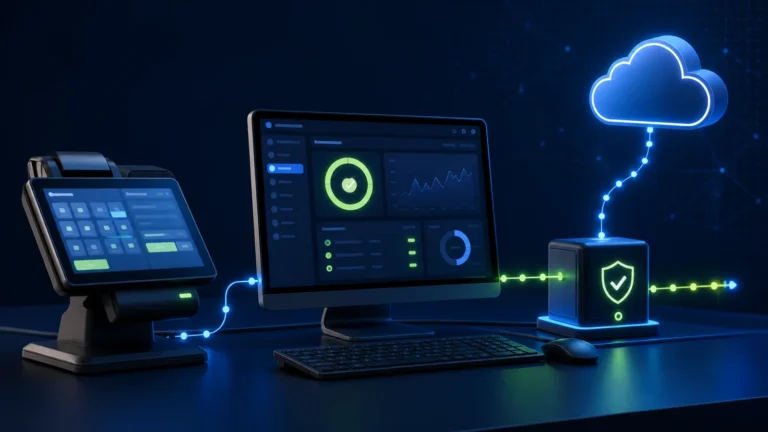

A useful WhatsApp workflow can acknowledge enquiries, identify the customer’s purpose, collect essential details, answer approved questions, create a lead or booking request, assign staff, schedule follow-up and transfer the conversation to a person when judgment is required.
Why ordinary WhatsApp handling becomes difficult
A small team may begin with one phone and manual replies. As message volume grows, customers receive different answers, quotations are forgotten and important details stay inside personal chats.
Common problems include:
- Missed messages during busy hours
- No record of lead source or service interest
- Staff asking the same questions repeatedly
- Appointments or visits requested without confirmation
- No reminder after a quotation
- Customers transferred without context
- Promotional messages sent without preference controls
A responsible WhatsApp automation model
The workflow should combine automation with human service. Software handles predictable steps, while staff manage exceptions, negotiation, complaints, sensitive information and final commitments.
A clear model includes:
- Customer sends a message.
- The business is identified and the message is acknowledged.
- The purpose is classified.
- Only necessary details are collected.
- An approved answer or next step is provided.
- A lead, task, booking request or support case is created.
- A human takes over when required.
For retail shops and wholesalers
A shop or distributor can use WhatsApp automation for:
- Product and brand enquiries
- Branch or shop timing
- Quotation requests
- Bulk order requirements
- Delivery-area questions
- Customer credit follow-up
- Complaint or return routing
The system should only provide price and availability from an approved, current source. It should not guess stock from an old list.
Example retail enquiry
A customer asks about a product. The workflow collects product name, quantity, location and preferred contact time. If live stock integration is available, it may check approved information. Otherwise, it creates a task for staff to confirm availability.
For clinics and diagnostic centres
Healthcare businesses can automate administrative communication, not diagnosis. Appropriate workflows include:
- Appointment requests
- Doctor or service selection
- Available-day enquiries
- Location and timing information
- Preparation instructions approved by the clinic
- Report-collection guidance
- Request for a human representative
Medical advice, treatment decisions and urgent symptoms must be handled by qualified professionals. The workflow should clearly direct emergencies to appropriate immediate care rather than relying on chat automation.
Example appointment workflow
The customer selects the required service, gives a preferred date and shares contact details. The request is sent to reception for confirmation. Only a connected and reliable schedule should confirm a final time automatically.
For schools, colleges and training institutes
An institute may receive many similar questions during admission periods. Automation can help with:
- Available programs or classes
- Admission requirements
- Campus location and office timing
- Prospectus or form links
- Visit requests
- Fee-information requests
- Document checklists
- Follow-up for incomplete applications
Fees, eligibility and deadlines should come from maintained information approved by administration.
Example admission workflow
The student or parent selects the program, city and preferred visit time. The system shares approved basic information, records the enquiry and creates a follow-up task for admissions staff.
For professional and service businesses
Tax firms, consultants, property offices, repair services, marriage halls and software companies can use WhatsApp to qualify enquiries and organize the next action.
Useful details may include service type, city, deadline, document status, event date, budget range or preferred callback time.
Lead qualification without frustrating customers
Do not ask every question at once. Use conditional steps based on the customer’s purpose. A support customer should not be taken through a sales questionnaire, and an appointment request should not receive a product catalogue.
Keep an option for the customer to type freely or request a person.
Human handover rules
Transfer the conversation when:
- The customer asks for a person.
- The message remains unclear after one clarification.
- A complaint, dispute or refund appears.
- Medical, legal, financial or contractual judgment is needed.
- A discount or special commitment requires approval.
- The system cannot verify price, stock or timing.
- The customer is upset or vulnerable.
The employee should receive the collected details and a concise summary.
Follow-up automation
After a demo, quotation, appointment request or admission enquiry, the system can create a next action and reminder. Customer-facing follow-up should refer to the actual conversation.
Repeated generic messages can feel like spam. Stop follow-up when the customer declines, opts out or completes the process.
CRM and business software connection
A stronger workflow can create or update customer records in CRM, ERP, POS or another approved system. Integration may:
- Create a new lead
- Find an existing customer
- Assign an employee
- Create a support ticket
- Schedule a callback
- Record a quotation status
- Update an appointment request
- Add a conversation summary
The feasibility depends on available APIs, permissions and data quality.
Consent, privacy and access
Use contacts obtained through legitimate customer interactions. Respect opt-out requests and avoid uncontrolled bulk messaging. Limit which staff can see customer records and sensitive notes.
Do not ask customers to send passwords, payment credentials or unnecessary sensitive information through ordinary chat.
How to measure the result
Useful measures include:
- Time to first acknowledgement
- Time to human response
- Percentage of enquiries with complete details
- Leads assigned and followed up
- Appointments or visits confirmed
- Repeated questions reduced
- Opt-outs and complaints
- Cases requiring human escalation
Implementation steps
- Choose one customer journey.
- Write the approved information and questions.
- Define human handover and opt-out rules.
- Confirm WhatsApp and software access.
- Build a small test workflow.
- Test normal and difficult cases.
- Train staff.
- Launch gradually and review results.
Visit AI Automation Services in Pakpattan and WhatsApp Automation Services for the full service scope.
Plan a WhatsApp workflow for your Pakpattan business
NexZion Solutions can help you organize enquiries, appointments, admissions, quotations and follow-up while preserving human customer care.
Discuss WhatsApp AutomationNexZion Solutions publishes practical guides based on business-software, compliance-workflow, website and automation implementation experience in Pakistan.