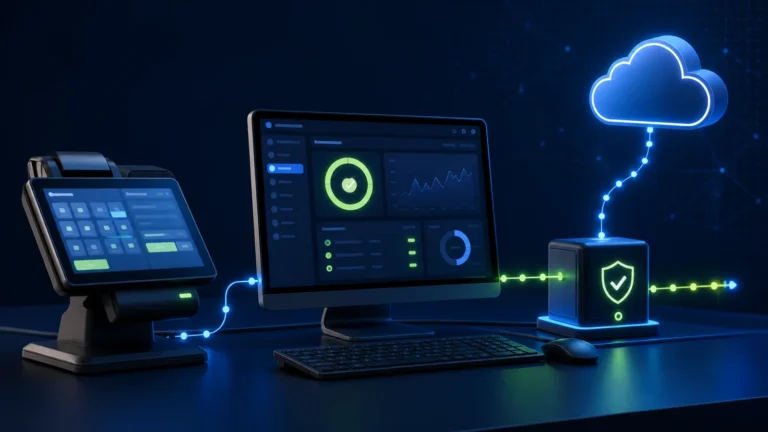

WhatsApp AI automation can capture customer details, answer approved questions, qualify leads, route enquiries, prepare quotation information, schedule follow-ups and summarize conversations. It should not invent prices, promise unavailable stock or make sensitive decisions without human approval.
Start with one measurable WhatsApp workflow: lead capture and qualification, customer-support triage, appointment or demo booking, or follow-up reminders. Keep final prices, refunds, sensitive account changes and unusual complaints with a person. If you need implementation rather than a planning guide, see WhatsApp Automation Services in Pakistan.
WhatsApp chatbot vs WhatsApp automation for a small business
A WhatsApp chatbot is the conversation layer that can understand messages, ask questions and provide approved replies. WhatsApp automation is the wider workflow around that chat, including lead capture, CRM records, routing, reminders, follow-up, reporting and human handover. Small businesses usually get better results when the chatbot is connected to one clear business process instead of operating as an isolated FAQ bot.
If you need implementation rather than a buyer guide, see our WhatsApp automation services in Pakistan.
Why WhatsApp enquiries become difficult to manage
WhatsApp is convenient for customers because they can ask a question in their own words. That same flexibility creates work for the business. Messages arrive at different times, customers omit important details and staff may reply differently to the same question.
As enquiry volume grows, common problems appear:
- Slow first response
- Missed messages
- No record of the lead source
- Repeated questions
- Incomplete customer requirements
- Forgotten follow-ups
- Quotes prepared without enough information
- Customers repeating the story after transfer
Automation should organize this flow without making the conversation feel robotic.
Start with one clear business process
Do not begin by asking for “an AI chatbot that handles everything.” Choose one useful process with a clear beginning, required information and expected result.
Examples include:
- Qualifying POS software enquiries
- Collecting vehicle and tyre details
- Booking clinic appointments
- Checking product availability
- Receiving admission enquiries
- Preparing website project requirements
- Following up pending quotations
A focused first workflow is easier to test, measure and improve.
1. Instant greeting and intent detection
The automation can welcome the customer and identify the likely purpose of the message, such as pricing, demo, support, order status or appointment.
The greeting should be short. It should not force every customer through a long menu when their message already explains what they need.
A useful system can recognize common wording while asking a simple clarification when the request is uncertain.
2. Collect only the information required
Automation becomes frustrating when it asks too many questions. Define the minimum details needed for the next action.
For a software lead, this might include:
- Business type
- City
- Number of branches or counters
- Main problem
- Current software
- Preferred demo time
For a product enquiry, it may require product specification, quantity, location and delivery timing.
Use conditional questions. A single-branch shop should not be asked to describe branch structure, and an existing customer seeking support should not be taken through a new-sales questionnaire.
3. Answer from approved business information
The AI assistant needs a controlled source of truth. This may include approved service descriptions, prices, policies, product records, appointment timings, stock data or frequently asked questions.
Information should have an owner and update process. When a price or policy changes, the approved source should be updated rather than correcting individual replies manually.
The assistant should say that information needs confirmation when the source is missing or uncertain.
4. Qualify and route leads
Not every enquiry needs the same team member. The system can classify leads by service, urgency, location, budget range or business type and route them to the relevant person.
For example, an FBR Digital Invoicing enquiry can go to a software consultant, an existing-client error to support, and a website enquiry to the web team.
Routing rules should remain simple enough for management to review.
5. Prepare quotation information
AI can organize the customer’s requirements into a structured summary for the sales team. It can also prepare a draft scope or quotation outline from approved services.
Final prices, discounts, delivery promises and contractual commitments should remain under authorized human review unless the business has fixed, controlled rules.
A useful summary may include the customer name, business, requested service, important requirements, missing information and recommended next action.
6. Automate follow-up without spamming
Many leads do not convert after the first conversation. A follow-up workflow can remind staff or send a suitable approved message after a defined period.
Follow-ups should stop when the customer declines, completes the purchase, requests no further messages or moves into another process.
Good automation respects timing and context. Sending the same sales message repeatedly can damage trust.
7. Provide customer support triage
For existing customers, the assistant can collect the software name, affected page, error message, urgency and screenshot before creating or routing a support request.
It can answer safe, approved questions and provide basic steps, but it should escalate issues involving data loss, payments, security, legal matters or uncertain technical changes.
The support person should receive the conversation summary so the customer does not have to explain everything again.
8. Keep human handover visible
Customers should be able to reach a person when the issue is complex, sensitive or simply not understood by the automation.
A good handover includes:
- Customer details already collected
- Conversation summary
- Detected intent
- Relevant product or service
- Unanswered question
- Reason for escalation
The AI should not continue replying after a staff member has taken control unless the workflow explicitly allows it.
9. Connect with CRM or business software
WhatsApp automation becomes more valuable when approved information can be saved to a CRM, lead sheet, appointment calendar, inventory system or support desk.
The integration should prevent duplicate contacts and show which system owns the final record. Staff should not maintain five separate versions of the same lead.
Before connecting systems, define which fields may be created or updated and who can correct them.
10. Protect privacy and access
Customer conversations may contain phone numbers, addresses, identity information, order details or business records. Access should be limited to authorized people and systems.
Do not place confidential internal notes inside customer-facing knowledge. Keep credentials and sensitive records out of prompts, screenshots and general support messages.
The business should also define retention, deletion and staff-access practices appropriate to its operation and applicable obligations.
What should not be automated blindly?
- Final financial approvals
- Tax or legal conclusions
- Medical diagnosis
- Refunds without authorization
- Account or password changes
- Special prices without approval
- Stock promises from uncertain data
- Messages involving complaints or reputational risk
AI can assist these workflows, but high-impact decisions need suitable human control.
Practical examples for Pakistani SMEs
Software company
The assistant identifies whether the lead needs POS, ERP, Digital Invoicing, a website or automation; collects business details; shares an approved overview; and schedules a relevant demo.
Tyre or auto-parts business
It collects vehicle model, tyre size or part details, checks connected inventory and asks approved vendors when the internal system shows no stock. A staff member confirms price and delivery before the customer receives a final commitment.
Clinic or diagnostic centre
It provides approved doctor schedules, collects appointment information and routes urgent or medical questions to staff rather than attempting diagnosis.
Education institute
It answers approved course questions, shares admission requirements, captures applicant details and reminds the admissions team to follow up.
Local service business
It collects location, requested service, preferred time and photos where useful, then routes the job to the relevant person.
How to measure automation results
Do not judge the project only by how impressive the conversation looks. Track business outcomes such as:
- Average first-response time
- Percentage of enquiries with complete details
- Qualified leads created
- Follow-ups completed
- Human handover rate
- Appointments or demos booked
- Support resolution time
- Leads converted into sales
- Incorrect-answer or correction rate
Review failed conversations and update the process regularly.
What should a small business automate first on WhatsApp?
| Use case | Good first automation | Keep human approval for |
|---|---|---|
| Sales enquiries | Capture name, city, need, business type and preferred follow-up | Final quotation, discount and commercial commitment |
| Customer support | Identify issue, collect order/account reference and route to the right team | Refunds, account changes and sensitive complaints |
| Appointments or demos | Collect service, preferred date/time and contact details | Exceptions, urgent cases and schedule conflicts |
| Order or stock enquiries | Check approved product information or connected stock data | Uncertain availability, special pricing and delivery promises |
For wider workflow design, review AI Automation Services in Pakistan. For budgeting, see the AI automation cost guide for Pakistan.
A sensible implementation plan
- Select one repeated WhatsApp workflow.
- Document the current messages and decisions.
- Prepare approved information and escalation rules.
- Build the smallest useful automation.
- Test with real examples and difficult cases.
- Train the staff receiving handovers.
- Launch with monitoring.
- Measure results before adding more workflows.
Common mistakes
- Trying to automate every conversation at once
- Using outdated prices and policies
- Allowing the AI to guess missing information
- Hiding the human-support option
- Sending too many follow-up messages
- Connecting poor-quality customer data to several systems
- Ignoring privacy and user permissions
- Measuring messages instead of business outcomes
How NexZion Solutions can help
NexZion Solutions can map a WhatsApp enquiry process, identify suitable AI and rule-based steps, connect approved business information, create human handover and link the workflow with existing software where practical.
Read why AI automation should start with a clear process and learn how to evaluate AI automation ROI for Pakistani businesses.
Share the type of enquiries you receive, the questions your team repeats and the action you want after a qualified conversation.
Frequently asked questions
Can WhatsApp AI automation replace sales staff?
It is better used to support staff by capturing details, answering approved questions and organizing follow-ups. People remain important for trust, negotiation and complex decisions.
Can it connect with existing inventory or CRM software?
Often yes, when the existing system provides a suitable integration path and the data is reliable.
Will customers know they are speaking with automation?
The conversation should not mislead people. The business can set a clear greeting and make human assistance easy to request.
Next step
Explore AI Automation Services in Pakistan, request an AI automation demo, or contact NexZion Solutions to discuss one practical WhatsApp workflow.
NexZion Solutions publishes practical guides based on business-software, compliance-workflow, website and automation implementation experience in Pakistan.