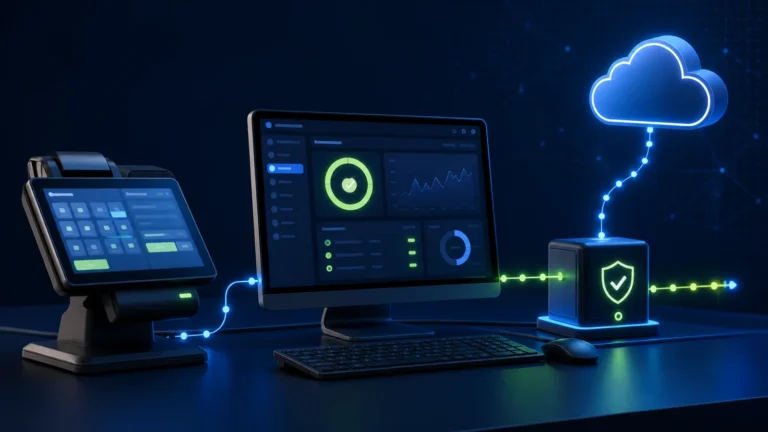

Good starting points include lead capture, follow-up reminders, quotation preparation, purchase approvals, payment reminders, daily reports, customer support routing, appointment requests, document creation, stock alerts, renewal workflows and synchronization between approved systems.
What business process automation means
Business process automation uses software, integrations and defined rules to move work from one step to the next. A trigger starts the workflow, conditions decide what should happen and an action creates a record, message, task, report or approval request.
The purpose is not to remove human judgment. It is to stop employees from repeating predictable work that software can perform consistently.
Choose automation by business value
A workflow is a strong candidate when it happens frequently, follows clear rules, uses reliable data and produces an outcome that can be measured. A process is a weak candidate when every case is exceptional, the source information is inaccurate or authority has not been defined.
Before starting, write down the current steps, the responsible people, the usual delays and what should happen when information is missing.
1. Website and advertising lead capture
Enquiries from forms, Facebook campaigns, WhatsApp and referrals can be stored in one lead register. The automation can record the source, service interest, city, contact details and message, then assign a responsible person.
This reduces the risk of leads remaining inside one inbox or employee’s phone.
2. Lead acknowledgement and assignment
A customer can receive a short acknowledgement while an internal task is created for the relevant team. The message should confirm receipt and explain the next step without pretending that a quotation or technical answer has already been completed.
3. Follow-up reminders
Every open lead should have a next action and date. Automation can remind the assigned salesperson, escalate overdue follow-up and maintain the latest status.
This is more dependable than asking staff to remember every quotation and callback.
4. Quotation draft preparation
Approved products, packages or services can be converted into a structured quotation draft. The system can include customer details, selected scope and standard terms.
An authorized person should still review prices, discounts, timelines and exceptional commitments before sending.
5. Purchase and expense approvals
A request can move through defined authority levels according to department, amount or category. Each approval, rejection and comment remains visible with the related document.
This prevents important decisions from being scattered across calls and chat messages.
6. Payment and subscription reminders
Invoices, instalments, annual renewals and service subscriptions can create reminders according to approved dates. The workflow should respect customer preferences and stop or escalate when a dispute appears.
7. Daily and weekly management summaries
Sales, leads, stock exceptions, pending tasks or service activity can be combined into an owner summary. Reports should come from maintained records rather than uncontrolled spreadsheets.
Management should define which figures matter and how each total is calculated.
8. Customer support classification
Incoming support requests can be categorized by product, customer status, issue type and urgency. The case can then be routed to support, accounts, implementation or management with the information already collected.
9. Appointment and booking requests
Clinics, consultants, institutes, workshops and service companies can collect the requested service, preferred time and customer details, then create a booking request for confirmation.
Automation should not confirm unavailable times unless it is connected to a reliable calendar or booking source.
10. Document generation and filing
Approved templates can help prepare proposals, onboarding forms, service reports, invoices, certificates or internal documents. File names, folders and access can follow consistent rules.
Legal, tax and contractual documents still require suitable review.
11. Stock, task and exception alerts
The business can create alerts for low stock, overdue tasks, failed integrations, rejected invoices, expiring items or unusual activity. Alerts should identify the responsible person and required action instead of only reporting that something happened.
12. Data synchronization between systems
Where suitable APIs and permissions exist, approved information can move between websites, CRM, POS, ERP, accounting systems or spreadsheets. The workflow needs duplicate prevention, logs and clear ownership when synchronization fails.
What not to automate without control
High-value discounts, legal decisions, medical advice, tax treatment, sensitive account information and unusual customer commitments should not be delegated to an uncontrolled workflow. Use approval rules and human escalation.
A practical implementation process
- Select one repeated workflow.
- Map the current steps and exceptions.
- Identify the source of truth for each field.
- Define users, permissions and approvals.
- Build the smallest useful version.
- Test normal, missing and duplicate cases.
- Train responsible staff.
- Measure time, errors, completion and customer response.
How NexZion Solutions can help
NexZion Solutions provides business automation services in Pakistan for lead management, approvals, reports, reminders, documents and connected workflows. We can also plan WhatsApp automation and AI-assisted automation where the process benefits from classification, summaries or guided replies.
The recommended first step is a workflow discussion, not the purchase of a random automation tool.
Frequently asked questions
Can a small business use automation?
Yes. Small businesses often receive strong value from one focused workflow such as lead follow-up, reminders or daily reporting.
Can automation connect with existing software?
Often yes, depending on API access, data structure, permissions and the reliability of the existing system.
How much does business automation cost?
Cost depends on workflow complexity, integrations, data preparation, message or API usage, testing, monitoring and support.
Does automation replace employees?
Good automation reduces repetitive work and missed actions. Staff remain responsible for judgment, exceptions and customer relationships.
Share the process your team repeats, the systems involved and the result you need. NexZion Solutions can review the workflow and recommend a controlled automation phase.
Discuss business automation on WhatsApp or book a software consultation.
NexZion Solutions publishes practical guides based on business-software, compliance-workflow, website and automation implementation experience in Pakistan.